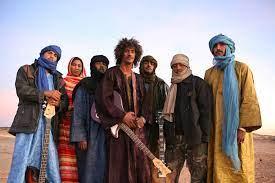
Blues from AfricaBy Josplay | 10/21/2026 | GenresWhat the world now calls desert blues goes by several names. It is also called Saharan blues, Tuareg blues, or Tuareg rock ...
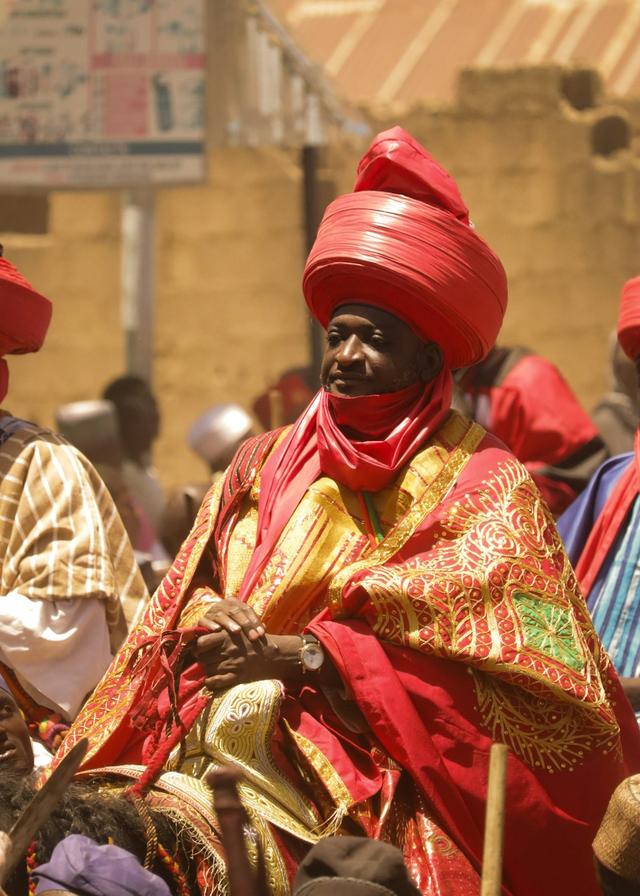
A Turban at Dawn, A Kingdom at DuskBy Josplay | 10/14/2026 | PeopleThe royal trumpet piercing cry cuts across the grounds, and it is more than music: it announces authority and calls tradition to attention. Birds burst from the branches of the tree and scatter into the sky.
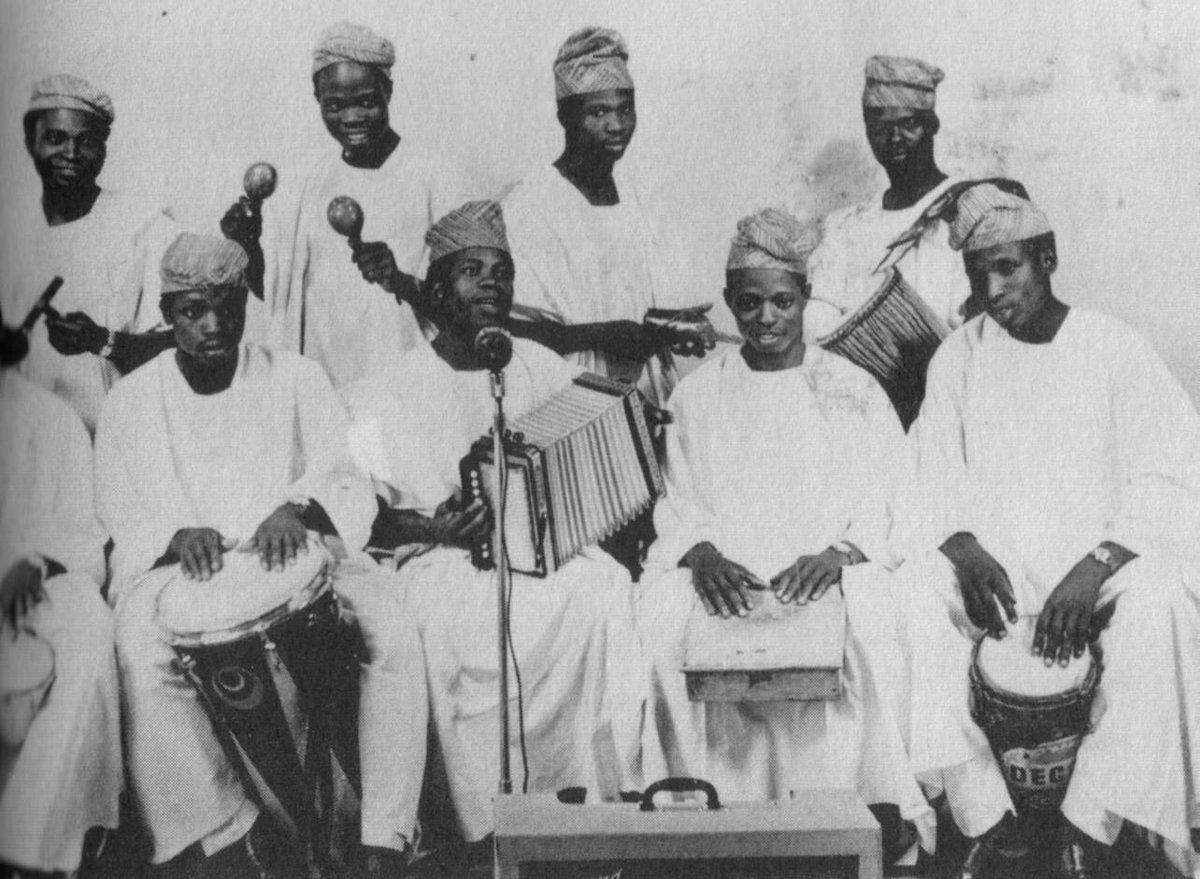
A Musical Genre Trip Across AfricaBy Josplay | 10/13/2026 | GenresSeatbelts on, and we take off from Nigeria, the giant of Africa. In the southwest, Yoruba percussion gave birth to Apala.
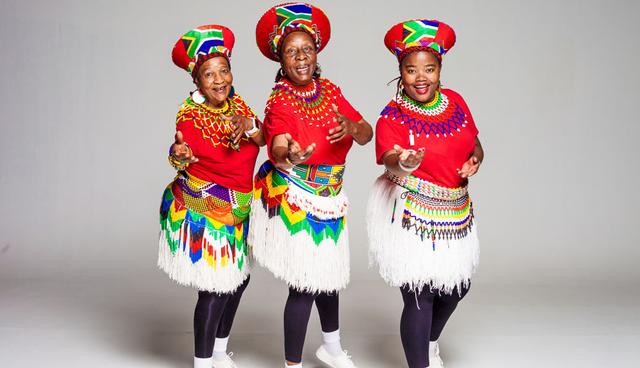
The Mahotella QueensBy Josplay | 9/29/2026 | PeopleWe have always heard about the all-male bands that made waves across Africa and the diaspora ... but what about the female ones?
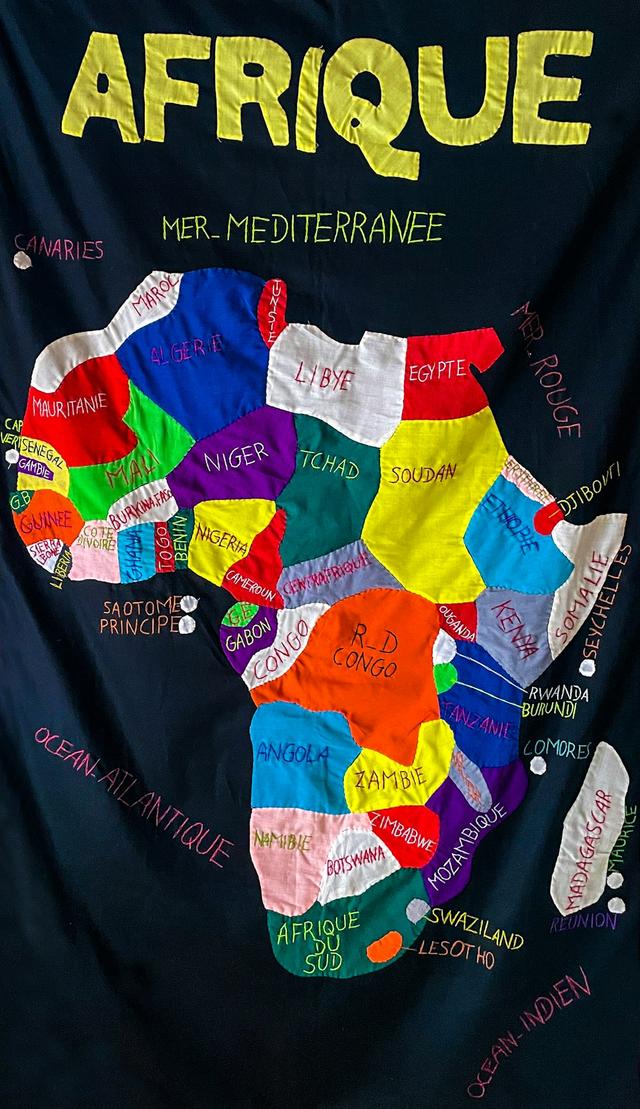
If the Whole of Africa Were to Record an AlbumBy Josplay | 9/21/2026 | GeneralPause for a minute and think about it. If the whole of Africa wanted to record one album, how would we even begin?
Beyond Praise Singing, the Intimate Art of OríkìBy Josplay | 9/15/2026 | GeneralWhere praise singing often moves outward, toward the collective, the throne, the town, Oríkì moves inward.
The Cuban Heart of DakarBy Josplay | 8/10/2026 | PeopleBut there is one place where this exchange rarely gets talked about, and it is not the place most people would guess. It is Dakar, Senegal.
If Highlife Music was our Long Lost Uncle …By Josplay | 8/5/2026 | GenresIf highlife music was our long lost uncle, he would be worldly, quietly wounded, unhurried, and certain, in the end, our home would still know his face.
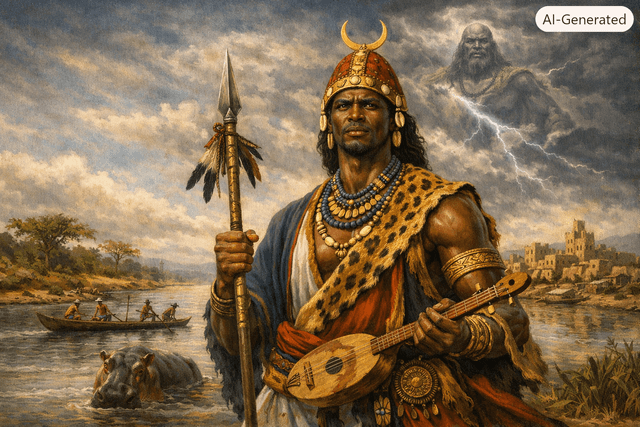
The Dance Born from Anger of a Thunder godBy Josplay | 7/28/2026 | PeopleA story about Faran Maka Boté,a hero from the Niger river region, and the progenitor of Takamba dance.
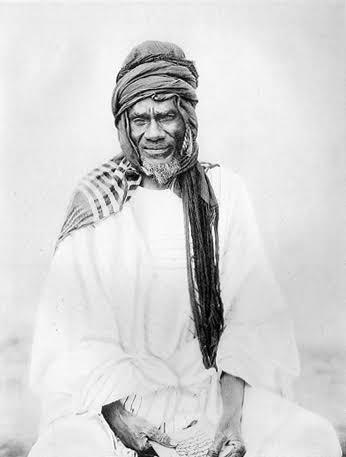
Samori Toure, the Son of a Weaver Who Defied FranceBy Josplay | 7/20/2026 | PeopleBorn to a weaver in 1830, Samori Toure was taken hostage as a young man and turned seven years of captivity into a military education. He built a West African empire of 30,000 soldiers, then held off the French colonial army for sixteen years through guerrilla warfare, a homegrown arms industry, and one of the boldest retreats in military history.
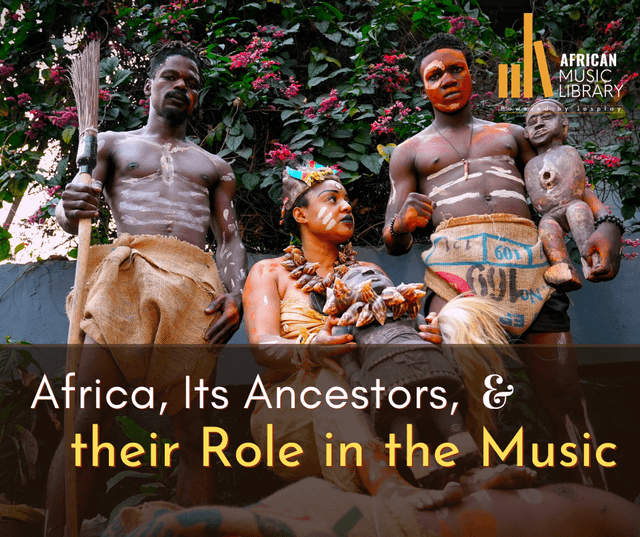
Africa, Its Ancestors, and their Role in the MusicBy Josplay | 5/20/2026 | GeneralTo listen closely to African music is to hear history breathing. Beneath the drums and melodies are ancestral voices reminding people who they are, where they come from, and the responsibility they carry forward.
The Fulani, Great Wanderers of AfricaBy Josplay | 5/14/2026 | PeopleWhat defines Fulani history as much as origin is movement...this movement produced a deep knowledge of landscape, grazing cycles, and water systems that continues to attract attention
A Brief History of AmapianoBy Josplay | 5/11/2026 | GenresSouth Africa has long produced distinct electronic genres that emerged from township culture and post-apartheid youth movements. There came Kwaito, then Barcadi House, Deep House, and ...
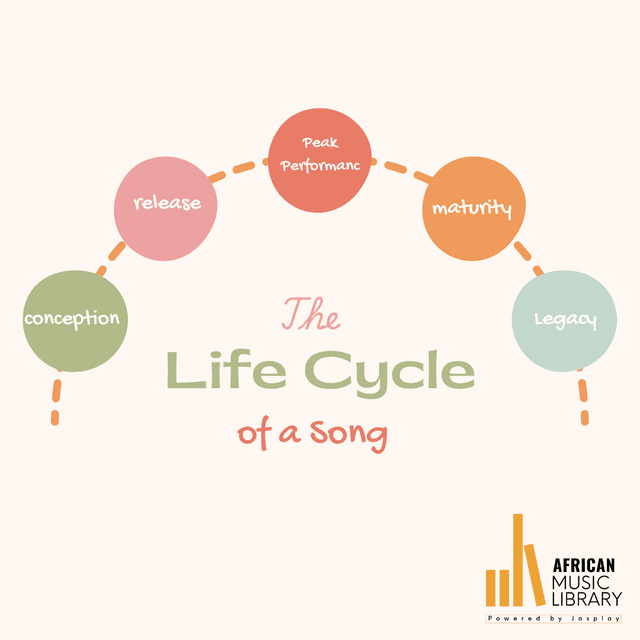
After the Anthem: What Happens When The Song Stops Trending?By Josplay | 5/7/2026 | GeneralThe lifecycle of a song starts from discovery — and not necessarily release. From there, it experiences the break and grows, climbing toward a climax at peak saturation, before entering the fade and eventually settling into catalog life.